3PL Warehousing Explained...
Handling the storage of goods, maintenance of inventory,...
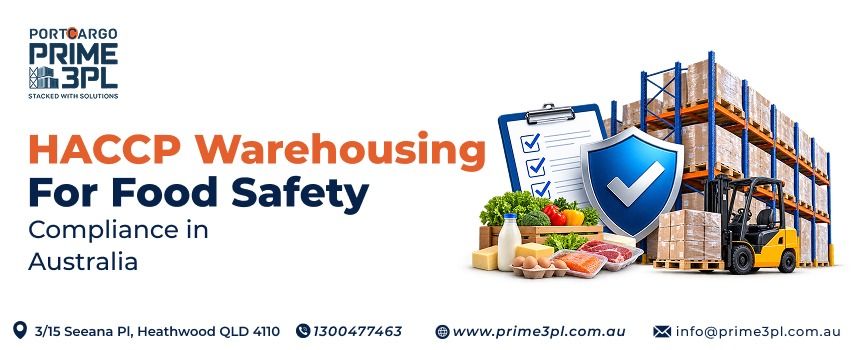
Food handling businesses in Australia require proper and secure storage where in this, products are protected against contamination, deterioration, and deterioration, temperature fluctuations, and other hazards. HACCP Warehousing for Food Safety Compliance provides a systematic way to control hazards linked to handling and storage of food. Proper warehousing can help to preserve product quality and also to fulfill other needs of the supply chain. Prime 3PL offers warehousing and logistics capabilities to companies requiring systematic food storage, stock management, order fulfilment, and distribution services with useful safety mechanisms.
HACCP stands for Hazard Analysis and Critical Control Points. It relates to a prevention-based food-safety approach, which seeks to identify potential hazards and determine critical control points along the different stages of handling and storage. The principles can be used within HACCP warehousing Australia, namely warehouse cleanliness, temperature control measures, stock handling, segregating products and record-keeping measures. Instead of waiting for a food-safety problem to occur, warehouse teams use planned procedures to identify and control risks before they affect stored products.
Warehouses are an integral element of the food supply chain as food items may be stored there for many days, weeks, or even longer before they are transported to retailers/restaurants/manufacturers/consumers. Food safety compliance Australia relies on proper handling procedures for all necessary operations. Proper warehouse conditions minimize preventable hazards, while ensuring storage procedures are followed. It also helps businesses preserve sound food safety practices as their storage/distribution requirements expand, through defined responsibilities, documented processes, training of personnel, supervision, and periodic audits.
There are various factors that may cause the food products to be contaminated, such as dust, chemicals, pests, damage to packaging, poor hygiene or exposure to unsuitable products. HACCP food storage methods will assist the warehouse staff in recognizing potential hazards in the food products and setting up appropriate measures for dealing with such hazards.
The requirement for storing different types of foods might vary in accordance with the type of product. The process of food safety warehousing involves controlling the environmental conditions and applying specific procedures to products that need controlled conditions of storage. Regular checks can assist in identifying possible issues and prevent products from being stored under inappropriate conditions.
The importance of knowing the history of the product, where they were stored, and where they were destined is crucial in the management of incidents related to food. Food-grade warehousing Australia solutions have the capability to track all the details from inventory to shipments. Traceability allows businesses to locate their products quickly after a problem has occurred.
Warehouses should not only serve as facilities for storing boxes and pallets. Warehouses must have systems that minimize the potential dangers involved in the receipt, storage, picking, packing, and shipping of their inventory. HACCP warehouse requirements may contribute to developing an organized system for the identification of possible hazards and key control points. This ensures safety as well as provides food companies with procedures for conducting their daily operations in the warehouse.
Achieving a compliant warehouse practice is achieved through a number of controls working in harmony rather than a single procedure. Food storage compliance could be achieved through controls covering hygiene, pest control, environmental monitoring, stock rotation, segregation, recording and traceability. Controls may be required per the food type, storage environment, packaging, business processes and requirements. A good 3PL partner can assist businesses in implementing processes around these activities and maintain recording and consistent warehouse flow.
A clean storage area ensures that there is minimal risk of contamination and that there is an appropriate environment for the food products. The HACCP and food safety guidelines may incorporate cleaning procedures, disposal of waste, cleaning of equipment, hygiene measures by workers, and inspection. It is also easier for the warehouse personnel to notice hygiene problems when these areas are organized.
There is a potential for pests to cause major hazards to stored foods and food packing materials. Effective food safety warehouse practices that help in keeping stored food safe in warehouses include regular checks, restricted access points, proper disposal of waste, and pest management efforts. This is because there is a need to ensure that any pest activities in the warehouse are documented.
There is the issue of temperature and environment that may have direct effects on some food products, especially those requiring controlled storage. The monitoring system should be able to specify the ranges within which the readings will be acceptable, the frequency of checks, the equipment to use, and measures to be taken when the readings go beyond the acceptable range.
Proper food stock management should be put in place to ensure that there is no likelihood of foodstuffs being stored past the time they should have been used. Food stock rotation processes may be able to assist warehouse operators in distinguishing between old batches as well as the expiry dates of the stock.
Some of the products might require segregation owing to their properties, handling, allergens, chemicals, condition of packaging, or storage environment. A good warehouse layout design can help establish zones for each category of products. Segregation, proper labelling, and handling of goods can avoid the risk of any contamination during the daily activities in the warehouse.
The keeping of accurate records is essential in determining the flow and the condition of inventory. Receipt records, batch records, warehouse records, pick records, dispatch records, among others, may facilitate traceability. Accurate records also allow for easy investigation when it comes to discrepancies or issues with customers without relying solely on one’s memory.
An organized approach to HACCP would be able to help the business organization in linking the identification of the hazards with their control and monitoring. It would offer an organized approach to managing the food safety risks rather than just keeping the warehouse clean from a general point of view. Some of the areas that may be considered important for such an organization include:
This can help with food supply chain compliance provided that the total food safety management system of the company in Australia is taken into account.
Selection of the warehouse is not just about finding space for storing the goods. Food organizations must determine whether the facility and its operations are suitable for the goods that they produce. It would involve taking into consideration the following:
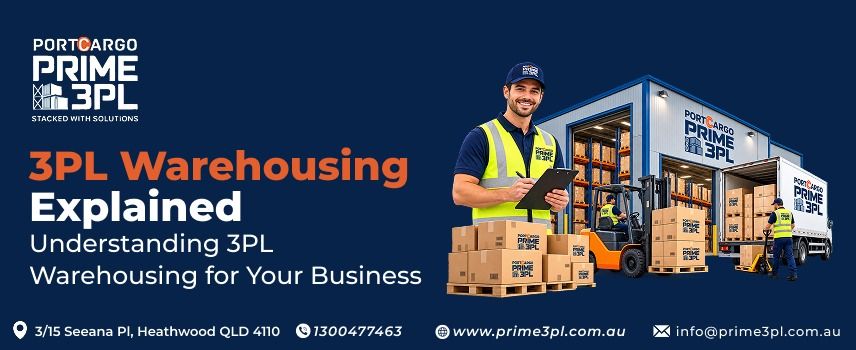
A third-party logistics company is able to provide various functions relating to warehousing and distribution on behalf of a food company. It can be especially useful for companies wishing to have professionally managed warehousing and distribution but not wishing to establish their own warehouse facility. These functions include receiving, warehousing, inventory, picking, packing, documentation, and delivery of the product.
Good storage management practice entails allocation of goods to appropriate storage points, keeping them organized and making sure they go through a proper handling process. This way, the 3PL warehousing facility can assist companies in managing space effectively while keeping the goods accessible during stock management activities.
Inventory data will enable food industry businesses to know the availability, location, and movement of products. The 3PL company will be able to handle all inventory processes such as receiving, stock counting, batching, expiration, and orders. This minimizes duplication of tasks, thereby increasing transparency in warehouse management.
Pick & pack should be done properly so that the product is well protected and there are no errors in the order. Warehouse staff can always perform pick & pack activities according to the procedure. Packing the product can also help prevent damage to the product while being dispatched.
When the products are ready for shipping, the logistics process moves forward to the transportation and delivery stage. Through the use of a 3PL company, the dispatch scheduling, shipment packaging, and transportation and delivery details can be arranged. This will ensure that the companies integrate their warehouse management with their larger distribution process.
It is important for documentation to act as a connecting element between the actions taken in the warehouse and the documentation process. The 3PL company could document all of its processes related to receiving, stocking, picking, packing, and dispatching as per the pre-decided process. This will make it easy for companies to trace their logistics operations.
Prime 3PL is there to assist companies requiring warehousing and logistics services when it comes to food-based supply chains. The services provided can cater to storage, inventory management, order fulfillment, and distribution, in addition to facilitating practical systems when it comes to handling and traceability of products. Businesses looking for HACCP-certified warehousing in Australia can get in touch with Prime 3PL’s team and talk about their product and the required services related to warehousing and logistics.
A HACCP-Focused logistics partner will provide structure in terms of processes that could ensure safe and organized warehouse operations. The following are some of the key advantages that could be derived from this partnership:
|
Area |
HACCP-Focused Warehousing |
Standard Warehousing |
|
Food-safety approach |
Uses structured food-safety controls |
May focus mainly on general storage |
|
Hazard management |
Risks are identified and controlled through planned procedures |
Controls may vary by facility |
|
Hygiene |
Defined cleaning and sanitation processes |
General cleaning procedures |
|
Pest control |
Planned monitoring and documented controls |
Basic pest management may be used |
|
Temperature monitoring |
Suitable monitoring for relevant products |
May not provide specialised monitoring |
|
Traceability |
Batch and stock movement records can be maintained |
Records may focus mainly on inventory |
|
Stock rotation |
Processes can support expiry and batch management |
Standard inventory rotation |
|
Documentation |
Food-safety records can form part of warehouse processes |
General warehouse records |
Food companies will be able to take advantage of having a HACCP-based warehouse when there is a need for more structured management of storage and handling risks. There are several scenarios where this type of warehouse will be particularly useful:
Selecting a proper warehouse is a key aspect of the safe handling of food product management from the receiving process to final delivery of the food products. A proper 3PL partner will be able to coordinate the entire process of storage, inventory, fulfillment, documentation, and distribution. In the case of Australian food companies, it is advisable to examine the entire warehouse process prior to any movement of food items into it.
A. HACCP-certified warehousing follows a food safety system that identifies and controls risks. It includes clean storage, safe handling, regular checks, and proper processes to help protect food products.
A. Requirements may include clean storage, pest control, temperature checks, staff hygiene, safe handling, contamination control, and proper records. The exact requirements depend on the food products and storage conditions.
A. Costs depend on storage space, product type, temperature needs, handling services, order volume, and storage duration. Prime 3PL can help businesses choose a warehousing option based on their requirements.
A. Food is stored safely through clean facilities, suitable temperatures, careful handling, contamination control, and regular checks. Proper stock management also helps keep products safe during storage.
A. Suitable HACCP warehouses can store packaged foods, beverages, dry goods, chilled products, frozen items, and other food-grade products. Storage options depend on the facility and specific product requirements.
A. Yes, temperature control can be part of HACCP warehousing, especially for chilled, frozen, and temperature-sensitive products. Suitable temperatures help maintain product quality and reduce food safety risks.
A. HACCP identifies possible food safety hazards and establishes controls to reduce them. Cleaning, pest control, staff hygiene, safe handling, and regular monitoring help prevent contamination during storage.
A. HACCP is a system for identifying and controlling food safety hazards. Food safety compliance is broader and includes meeting applicable laws, standards, procedures, and requirements for food businesses.
A. Food warehouses need proper hygiene practices, including clean facilities, staff hygiene, pest control, safe handling, waste management, and regular cleaning. These practices help protect stored food from contamination.
A. HACCP procedures should be reviewed regularly and after major changes to products, processes, equipment, or storage conditions. Regular reviews help keep food safety controls suitable and effective.
A. Contact Prime 3PL to discuss your food storage and warehousing needs. Our team can understand your requirements and suggest a suitable solution. Call 1300477463 for assistance.
Handling the storage of goods, maintenance of inventory,...

Behind the simple act of listing items for sale and takin...

The handling of services for storage, order picking, pack...
Discover our logistics, warehousing, fulfillment and supply chain solutions designed to support businesses of every size.


From a single parcel to full truckloads. we ensure your shipments reach their destination - safely and on time.

we get back to you within one business day.

Your goods are protected every step of the way.

Dedicated logistics specialists ready to help
Welcome to WhatsApp Chat and Share. Contact us if you need help.
Oprational Manager All Sales