Warehouse Automation vs M...
Choosing between automation of warehouse activities and d...

Importing products into Australia involves more than arranging a shipment from overseas. Once goods arrive at an Australian port, businesses must manage customs clearance, container collection, transportation, warehouse receiving and final distribution. Each step needs proper planning to avoid unnecessary costs and delays.
For Australian importers, efficient port-to-warehouse logistics helps keep products moving and stock available when customers need it. Whether you import a few containers or manage regular shipments, having a reliable logistics process can make daily operations easier.
This guide explains how port-to-warehouse transport works in Australia, the challenges importers face, and how the right third-party logistics (3PL) partner can help simplify the supply chain.
Port-to-warehouse logistics refers to the movement of imported goods from a shipping port to a warehouse or storage facility. It connects several activities, including container collection, transport, unloading, cargo handling, storage and inventory management.
For example, an Australian retailer importing products from overseas may receive a container at Port Botany in Sydney. After the required customs and biosecurity checks, the container is collected and transported to a warehouse. The goods are then unloaded, checked, stored and prepared for future customer orders.
A well-managed process helps importers reduce handling issues, improve stock control and plan deliveries more effectively. It also gives businesses better coordination between shipping, transport and warehouse operations.
Australia has several important commercial ports that support international trade. The port used depends on the shipment's destination, shipping route and business requirements.
The Port of Brisbane Container Transport is an important gateway for Queensland businesses. It handles containerized and general cargo, supporting importers, wholesalers, manufacturers and retailers across the state.
Businesses receiving goods through Brisbane need suitable container transport and warehouse arrangements to move stock efficiently into local and regional supply chains.
Port Botany is a major container port serving Sydney and New South Wales. It plays an important role in supplying imported products to businesses across metropolitan Sydney and regional areas.
Planning container collection and warehouse deliveries is important for importers looking to manage transport schedules and avoid unnecessary terminal-related costs.
The Port of Melbourne is Australia's largest container and general cargo port. It supports businesses across Victoria and wider south-eastern Australia.
Importers using this port need coordinated transport, storage and distribution arrangements to move products from the terminal to their required destination.
Understanding the process helps importers plan shipments and manage each stage of the supply chain.
The process starts when a shipping vessel arrives at an Australian port. Containers are unloaded and moved through the relevant terminal processes.
Importers or their freight partners should monitor shipment updates and confirm when cargo is expected to become available. This helps them prepare transport and warehouse arrangements before collection.
Before imported goods can be released, they must meet applicable Australian customs and biosecurity requirements.
Depending on the shipment, documentation may include commercial invoices, packing lists, bills of lading, import declarations and relevant permits.
Importers should also check applicable duties, GST and other charges. Certain goods may require additional inspections or biosecurity treatment.
Working with a licensed customs broker can help businesses manage declaration and clearance requirements. It is important to remember that goods must be released by the relevant authorities before collection can proceed.
Once the container is released and collection arrangements are confirmed, transport can be organised from the port to the warehouse.
Container transport from port to warehouse involves arranging suitable trucks, checking terminal availability, confirming delivery slots and coordinating the receiving facility.
Reliable container cartage services Australia businesses should use container size, cargo type, delivery location and warehouse access.
Good scheduling helps reduce waiting time and supports smoother cargo movement.
When the container reaches the warehouse, the receiving team unloads the goods according to the agreed handling process.
Activities may include:
Accurate receiving helps prevent inventory discrepancies and makes it easier to identify damaged or missing items.
After unloading, products are placed in suitable storage areas. Depending on the business requirements, goods may be stored on pallets, organised by product category or prepared for immediate dispatch.
Warehouse teams use inventory records to track stock levels, monitor movements and prepare customer orders.
This stage connects import warehousing Australia businesses need with warehouse distribution services, helping products move from storage to retailers, customers or other business locations.
Managing import logistics Australia-wide can involve several operational challenges.
Planning ahead and working with experienced logistics partners can help businesses manage these challenges.
A well-organised logistics process offers several benefits for Australian importers:
These benefits help businesses build a more organised and dependable supply chain.
Traditional freight management often involves arranging transportation, storage and distribution through separate providers. An integrated port-to-warehouse approach focuses on coordinating these activities as connected parts of the supply chain.
|
Comparison |
Traditional Approach |
Integrated Approach |
|
Operations |
Separate arrangements |
Coordinated processes |
|
Transport |
Independent bookings |
Planned container movement |
|
Warehousing |
Separate storage arrangements |
Connected storage and receiving |
|
Inventory |
Limited coordination |
Better stock visibility |
|
Communication |
Multiple contacts |
More streamlined coordination |
|
Cost management |
Less centralised oversight |
Better opportunities for cost control |
An integrated approach does not automatically guarantee lower costs, but it can improve communication, planning and operational efficiency.
Importers can take practical steps to manage logistics expenses without compromising service quality.
Monitor vessel arrivals, cargo release updates and terminal availability. Arrange transport early and confirm warehouse receiving times to avoid unnecessary waiting.
Consider the distance between your destination port, warehouse and customers. A suitable warehouse location can help reduce transport distances and improve delivery planning.
Prepare labour, equipment and unloading space before the container arrives. Efficient unloading helps minimise delays and makes stock available sooner.
Maintain accurate stock records and forecast demand based on sales patterns. Better inventory planning can reduce unnecessary storage requirements and help prevent stock shortages.
A suitable 3PL provider can help coordinate warehousing, storage, cargo handling and distribution requirements. This allows businesses to focus more on sales, customers and growth while improving logistics coordination.
Choosing a reliable logistics partner is an important decision for any Australian importer. Before making a choice, consider:
The right third-party logistics Australia partner should understand your business requirements and offer practical solutions that support your supply chain.
Managing imported products requires coordination between transportation, warehousing and distribution. Working with a logistics partner can make these activities easier to manage.
Prime3PL supports businesses looking for practical third-party logistics and warehousing solutions. Its service offering can be explored by importers seeking support with their storage and distribution requirements.
Key areas to consider include
Organised warehouse and pallet storage can help businesses manage imported inventory and keep products ready for distribution. Proper storage arrangements make it easier to organise goods by product type, quantity and storage requirements. This also helps businesses access stock more efficiently when products are needed for dispatch.
Proper unloading and cargo handling help businesses receive imported products in an organised way and prepare them for storage. Checking product quantities, inspecting packaging and identifying damaged goods during receiving can help prevent inventory issues. A planned unloading process also reduces unnecessary delays and helps make stock available sooner.
Coordinated transport and distribution arrangements help move products from warehouses to their next destination. Efficient delivery planning allows businesses to manage shipment schedules, organize outgoing orders, and meet customer requirements. It also helps maintain a smoother flow of goods between storage facilities, retailers, and other delivery locations.
Accurate stock records help businesses monitor inventory, manage replenishment, and prepare orders efficiently. Regular stock updates make it easier to identify available products, track stock movements and avoid unexpected shortages. Better inventory visibility also supports purchasing decisions and helps businesses manage storage space effectively.
As import volumes increase, businesses may need additional storage, handling and distribution support. A suitable 3PL arrangement can help them manage changing operational requirements without handling every logistics activity independently. Choosing a flexible solution also allows businesses to review their storage capacity and operational needs as their product range and customer demand grow.
For information about Prime3PL's services, visit Prime3PL's official website or call 1300 477 463 to discuss your requirements.
Efficient port-to-warehouse logistics plays an important role in helping Australian importers manage costs, maintain stock availability, and deliver products on time.
From customs clearance and container cartage to warehouse storage and final distribution, every stage needs careful planning. Choosing the right logistics partner can improve coordination and help businesses manage their supply chain with greater confidence.
If your business needs reliable warehousing and logistics support, speak with Prime3PL about your requirements. Call 1300 477 463 or visit https://www.prime3pl.com.au/ to start the conversation.
Port-to-warehouse logistics is the process of moving imported goods from a shipping port to a warehouse. It includes container collection, transport, unloading, storage and inventory management.
The time depends on the port, warehouse location, container availability, customs clearance, terminal bookings and road conditions. Local deliveries may take less time than regional deliveries. Importers should confirm expected transit times with their transport provider.
Common costs include container cartage, terminal-related charges, fuel levies, unloading, warehouse handling, storage and possible demurrage or detention charges. Actual costs depend on the shipment and service arrangements.
Businesses can plan container collections early, monitor free-time deadlines, select suitable warehouse locations, organise unloading in advance and improve inventory planning.
A third-party logistics provider supports business operations through services such as warehousing, storage, cargo handling, inventory management, transportation and distribution, depending on its service offering.
Many 3PL providers offer container unloading, cargo handling and pallet storage. However, services vary, so businesses should confirm available facilities and handling capabilities before booking.
Major container ports include Port Botany in Sydney, the Port of Brisbane and the Port of Melbourne. The most suitable port depends on the shipping route and the final delivery destination.
Track container availability and free-time deadlines, arrange customs clearance promptly, book transport in advance, confirm warehouse unloading capacity and organise empty container returns within the agreed period.
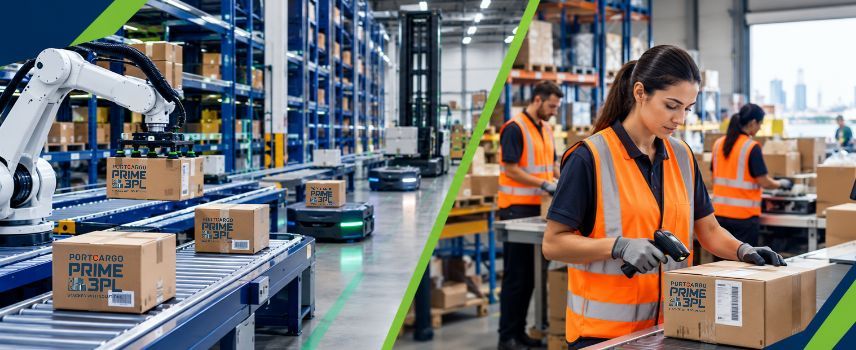
Choosing between automation of warehouse activities and d...
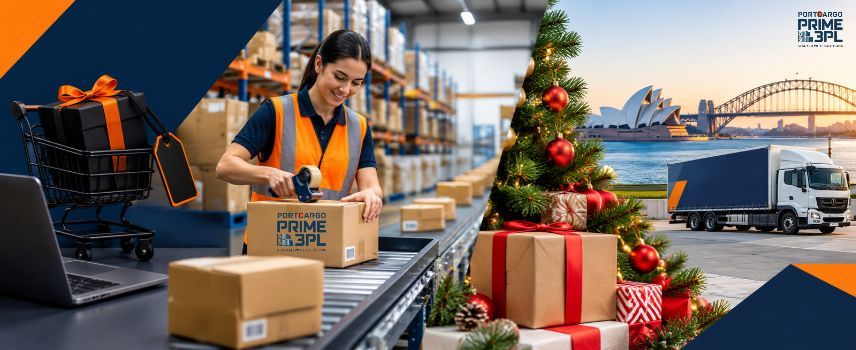
Black Friday and Christmas are two of the busiest shoppin...
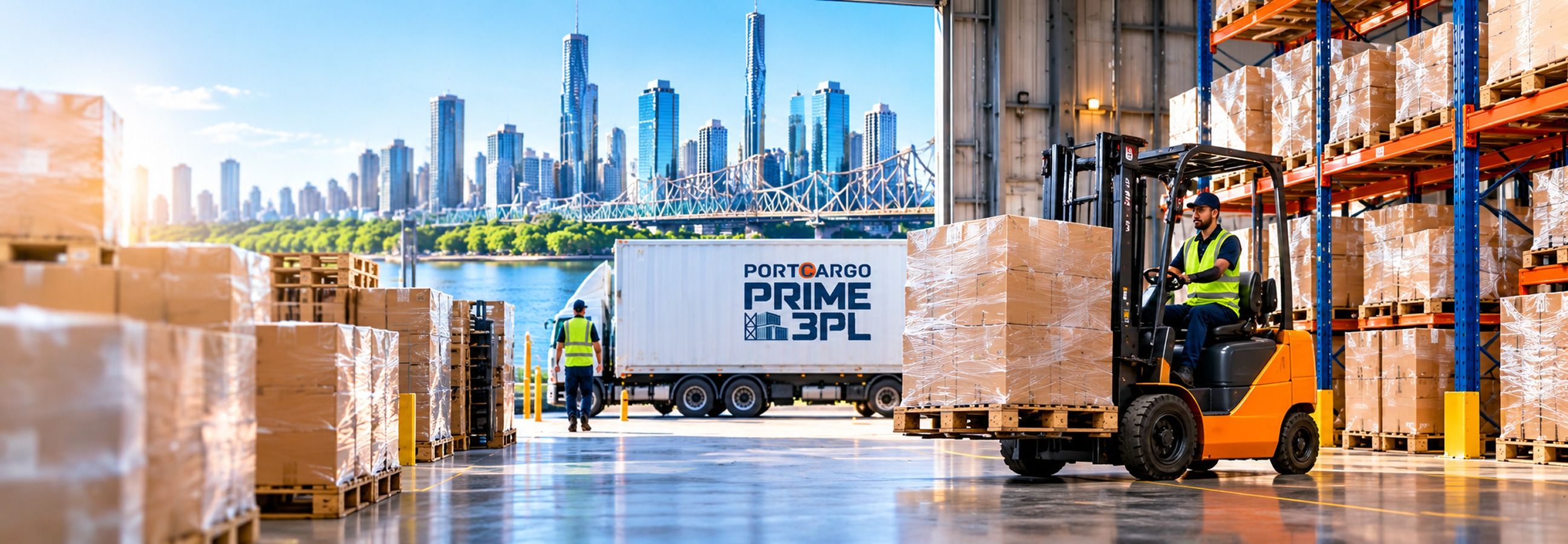
Discover our logistics, warehousing, fulfillment and supply chain solutions designed to support businesses of every size.

From a single parcel to full truckloads. we ensure your shipments reach their destination - safely and on time.

we get back to you within one business day.

Your goods are protected every step of the way.

Dedicated logistics specialists ready to help
Welcome to WhatsApp Chat and Share. Contact us if you need help.
Oprational Manager All Sales