Australian Importers' Gui...
Importing products into Australia involves more than arra...
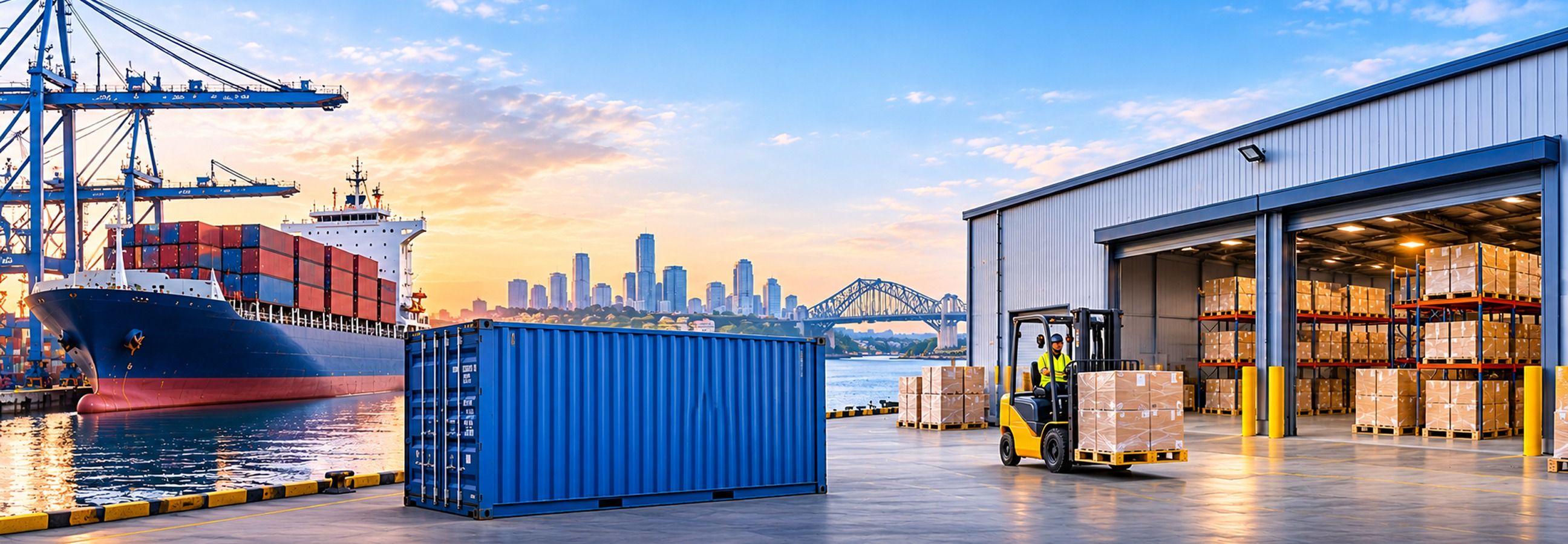
Once your shipping container reaches the Port of Brisbane, that doesn’t mean your job is done. Before you get the consignment delivered to your warehouse or place of business, there are lots of things that need to happen. This may entail unloading of the shipping container, processing of import documents, clearance of customs, biosecurity, terminal release, and delivery transport. Understanding the Port of Brisbane import process makes it easier for any importer to plan his/her delivery. Business entities are able to easily move their imported goods from the port using good Brisbane port logistics.
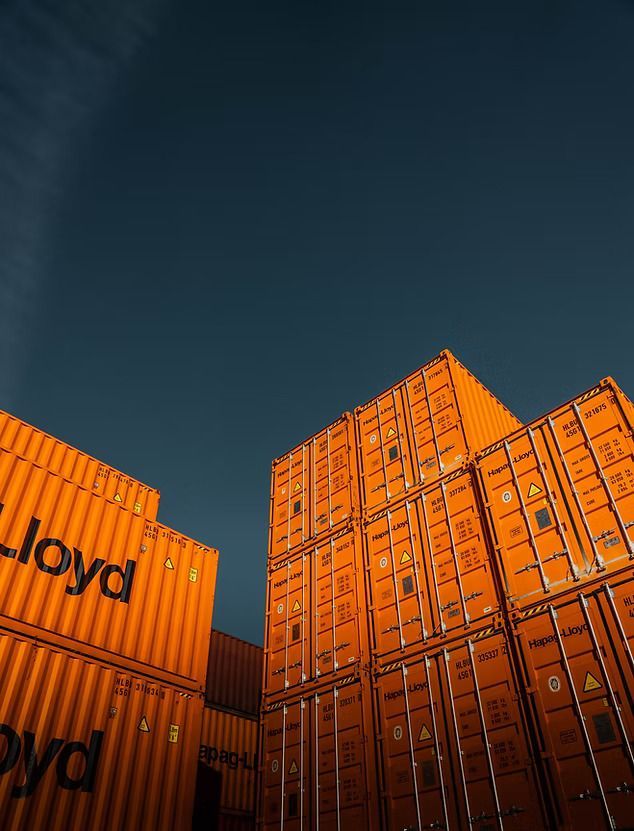
When the ship transporting the cargo arrives at Port of Brisbane, unloading of the container takes place through the use of specific cranes and machinery in the port. All containers are placed in the assigned storage place in the terminal where details such as the number of the container, size and cargo details are recorded by the staff in the terminal. This is one of the significant steps in Port of Brisbane container handling since the details will be needed in the next processes that will help in tracking the shipment. Under Import container handling Australia, containers may remain at the terminal until the required checks, documents and release procedures are completed.
After delivery of the container at the destination port, it is important to make sure that all required documentation is provided by the importer or customs broker. Some of the required documents include the Bill of Lading, commercial invoice, packing list and Import Declaration. Other supporting documents supplied by the shipping line are the arrival note and the collection instructions for the container. It is very important for the importer to verify that the information is correct so as to avoid problems in the release of the container. As part of the Port of Brisbane import process, the shipping line's release requirements must also be completed. Proper documentation will make container clearance in Brisbane much easier and can help to avoid unnecessary delays.
The clearing of goods through customs is an essential activity before the goods arrive in Australia. This will involve the Australian Border Force that verifies the import declaration of the goods and assesses the shipments based on the customs standards. In some cases, the Department of Agriculture, Fisheries and Forestry will assess the goods to ascertain any biosecurity concerns. Further information may be necessary, or further handling of the cargo might be required depending on the type of cargo involved. It is important that the importer ensures that the information given is correct. Good coordination during container clearance in Brisbane helps companies proceed with their Brisbane freight and logistics operations without any delays.
Certain imported containers are chosen for examination or biosecurity testing. In the process of the examination, authorized officers can examine the container and its cargo to ensure that the cargo meets all the Australian import criteria. Some cargo may require cleaning, treatment or quarantine prior to its release. This process is based on the type of cargo, its country of origin and any risks involved. Importers have to take into account the possibility of such examinations. Professional import container handling Australia requires special attention to these matters.
After all the necessary procedures such as customs, biosecurity, and shipping lines are taken care of, the container can be ready for release from the terminal. But clearance does not necessarily imply collection immediately. It is also necessary for the terminal to check if the container is available and the transport booking criteria have been fulfilled. There might be a need for the importer or the transportation company to fix an appointment for collecting the container and check its release. Good Port of Brisbane container handling requires coordination between terminal operators, shipping lines and transport companies.
Once the container has been unloaded, the subsequent process entails sourcing a fitting vehicle to pick up the container. Depending on the type of container, the type of load and its destination, a fitting vehicle will have to be sourced. Many companies need transportation for 20 ft and 40 ft containers. Prior to booking, it would be wise to get confirmation of the time when the container will be picked up, its destination as well as how it will be unloaded. Container transport Brisbane is a better choice because it helps in getting collections from ports and provides timely container transport in Brisbane.
Transport of the container is done from the port to the chosen warehouse, distribution center or business premise. The transport company organizes the transport according to the delivery address, road conditions, needs of the truck and the schedule of delivery. Business entities must see to it that there is sufficient room in the delivery premises for the truck and the container. Planning also ensures that there is no delay in unloading of goods. Port to warehouse transportation Brisbane links the process of port activities with that of warehousing. It is an important part of Shipping container transport Brisbane, especially for importers handling regular shipments.
Upon the arrival of the container in the warehouse, the unloading of the cargo will commence soon. Based on the type of cargo, the off-loading can either be manual or using machinery like forklifts. There is a need to compare the packages with the packing list as well as any observable damage or missing packages. These findings must be noted and passed to the concerned parties without any delay. Good coordination between the transport and the warehouse staff will make Container delivery services Brisbane efficient.
After successful completion of unloading, the container needs to be returned to the nominated depot during the available free time period. This process is termed as empty container dehire. It is important for the transportation company to verify the details of the depot including the time of opening along with other directions before making plans for the same. Any delay in returning the container may cause some additional charges of detention. Additionally, it is the responsibility of the importers to ensure that the container is empty and in good condition for returning.
Even when a ship has docked, there can be cases when it will take time for cargo to reach its final destination. This is because the delay may result from problems that include but are not limited to paperwork problems, inspections, and transportation problems.
There are various costs that the importer needs to expect once their container arrives at the port. They include those that vary depending on the shipment and inspections involved. Knowledge of such costs helps importers to allocate their budgets for the imports.
Choosing a proper transport partner will be critical to ensure that all imported products get transported in time and in safe condition. Companies need to evaluate service quality, equipment, experience and cost when deciding which company to choose. The chosen company might also offer coordination of port collection and delivery to warehouses.
There are a number of tasks that must be performed in order to manage an import container, and the management of each of these tasks will take some time. Professional logistics services may help businesses in organizing such tasks. Companies like Prime 3PL may offer their help in such cases.
The procedures that occur following the arrival of a container at the Port of Brisbane include the various stages of unloading, customs clearance, terminal release, transporting and returning empty containers among others. All these need to be planned well in order to avoid unnecessary delays and costs. Engaging a seasoned logistics company will ensure that everything goes smoothly for your organization. Prime 3PL is a logistics company that will assist organizations with their container logistics needs. If you want help with logistics, contact Prime 3PL at 1300477463.
A. The container is unloaded from the vessel, moved to a terminal storage area and checked for documentation, customs clearance and biosecurity requirements before it becomes available for collection.
A. The time depends on documentation, customs assessment, biosecurity checks and shipping line release. Containers requiring additional inspections or treatment may take longer to become available.
A. Common documents include the Bill of Lading, commercial invoice, packing list and import declaration. Additional permits or certificates may be required depending on the goods being imported.
A. No, not every container requires a physical inspection. Australian authorities select shipments for examination based on customs requirements, biosecurity risks and other applicable import regulations.
A. You can contact a container transport company, share your container size and delivery address, and arrange a suitable truck for collection and transportation to your warehouse.
A. Container clearance involves completing customs and biosecurity requirements, while container release also depends on shipping line approval, payment of applicable charges and terminal collection procedures.
A. The cost depends on container size, transport distance, truck type, delivery location and additional requirements such as waiting time, unloading and empty container return.
A. Delayed collection may result in additional terminal storage or other applicable charges. Importers should monitor container availability and arrange transport within the permitted free time.
A. The importer or their appointed transport provider generally arranges the empty container return to the nominated depot after unloading, following the shipping line's instructions.
A. Prime 3PL supports businesses with freight, warehousing and container logistics requirements. Contact the team at 1300477463 to discuss suitable logistics arrangements for your business.
Importing products into Australia involves more than arra...
Choosing between automation of warehouse activities and d...
Black Friday and Christmas are two of the busiest shoppin...
Discover our logistics, warehousing, fulfillment and supply chain solutions designed to support businesses of every size.

From a single parcel to full truckloads. we ensure your shipments reach their destination - safely and on time.

we get back to you within one business day.

Your goods are protected every step of the way.

Dedicated logistics specialists ready to help
Welcome to WhatsApp Chat and Share. Contact us if you need help.
Oprational Manager All Sales