What Happens After Your C...
Once your shipping container reaches the Port of Brisbane...
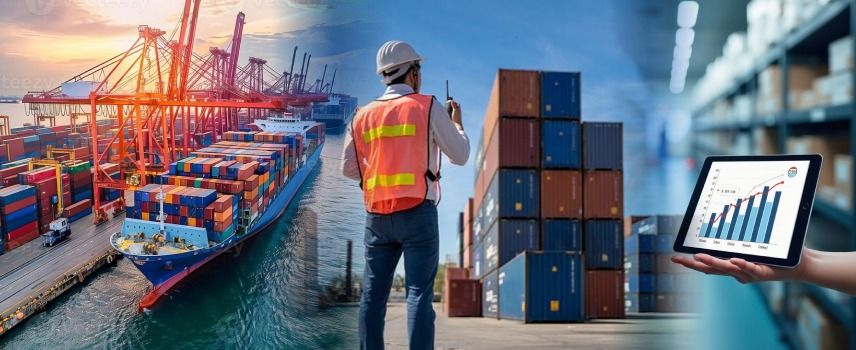
Supply chains currently face several challenges, and these include the increase in the cost of transport, delays from suppliers, changes in customer demand, and unforeseen disruptions to business globally. To address these challenges for Australian organisations, effective planning and logistics are needed. The year 2027 will require that businesses concentrate on making a resilient supply chain, such that the supply chain is able to deal with any surprises without impacting day-to-day operations. Effective management of suppliers, inventories, warehousing, and transport can ensure that businesses run smoothly.
Businesses in Australia have to rely on suppliers, warehouses, logistics firms and other components of the supply chain for delivering products in a timely manner. A failure at any point in the process could impact the whole process. Supply chain resilience is a way of helping businesses deal with such issues and recover from them as quickly as possible. Businesses in 2027 will have to enhance their supply chain management through risk assessment, stock visibility and flexibility in logistics.
Supply chain resilience means the capability of a business to be prepared for disruptions, deal with the effects and recover to its normal business operations. It is about having good suppliers, appropriate inventory and logistics solutions. This enables a business to deliver its products to customers regardless of any disruptions in delivery or sourcing.
For Australian businesses, it is common for them to rely on foreign sources of goods as well as transport that may take some time, as well as complicated logistics. Delays, weather conditions and increased transport costs will have an impact on the availability of products. Improved supply chain planning enables Organisations to minimize these threats, whereas effective logistics management ensures prompt deliveries and smooth operations.
While traditional supply chains largely concentrate on the control of costs and efficiencies, resilient supply chains put the same level of emphasis on risk management and flexibility.
|
Traditional Supply Chain |
Resilient Supply Chain |
|
Focuses mainly on reducing costs |
Balances cost and risk management |
|
Depends on limited suppliers |
Develops alternative supplier options |
|
Maintains basic stock levels |
Uses planned safety stock |
|
Responds after disruptions occur |
Prepares for possible disruptions |
|
Focuses on regular operations |
Plans for recovery and continuity |
Australian businesses face several operational challenges which will have an impact on the availability and delivery schedules of their products. Disruptions, dependence on suppliers, and varying weather conditions could disrupt their transportation process. Increasing fuel and Labour costs could lead to increasing operational costs for the business Organisation. The business Organisations dealing in large volumes of products would be impacted by such issues.
To make the supply chain stronger, more than identifying reliable suppliers is needed. Companies need to know about their processes, find weaknesses and be ready for anything that might happen. Below are some of the steps that could help companies in Australia build a resilient supply chain.
Begin by determining the products, raw materials, and services that your company can’t function without. Recognise those products that have a greater effect on sales and obligations to customers. Determine critical inventory items, those processes that cannot be stopped and Categorise products in terms of priority. This will enable the company to direct its attention to the most vulnerable areas.
Knowing about your direct suppliers is not sufficient. Businesses need to know about their sources for raw materials and how the product moves into the warehouses. Mapping the supply chain in a better way will help businesses learn about the dependencies that are hidden behind the scenes and spot potential risks before they become a problem for day-to-day business operations.
A single point of failure refers to a supplier, storage facility, transport route or system that, once it fails to function, can bring down the operation of the company. The identification of such weaknesses will allow a business to make preparations for alternatives, thereby lessening its reliance on one source alone.
It is not always the case that every disruption leads to immediate problems. While some companies could run operations even for days before any issues arise, other Organisations could face problems with stock after just a few hours. Having knowledge of this period allows the Organisation to figure out what kind of actions it needs to undertake in terms of the response and resource protection.
Relying on just one source poses risks in case there are any delays in production or in delivery of products. There should be an attempt to build ties with other sources, and consider other locations for sourcing. Diversification of the source of supply makes things easier when faced with such situations. Determine other sources and where feasible use Australian sources.
Holding excess stock for all products increases the cost of holding stock. Rather than this, businesses should focus on identifying their vital products that require extra protection. Good stock management allows them to keep enough stock in order to ensure their availability, whereas good safety stock management will help them prevent shortage due to any delay in supply or unanticipated demand.
The supplier must be able to deal with any disruption and be able to provide products as required. The business must be able to examine the capabilities of the supplier in terms of performance, financial stability, production capacity, and delivery capabilities. It is through these that they will be able to pick a supplier who is reliable for their long-term supply chain needs.
Supply chain management must form a component of the broader business continuity plan. Firms require a well-thought-out approach for dealing with disruptions in supplies, transportation, and warehouses. The better the business continuity plan, the more the team will be aware of its duties and how to keep the business running smoothly in cases of any disruption.
A plan will be useful only when the staff know how to implement it. Companies must conduct regular inspections and practice with various disruptions. It will help in determining any missing information, poor communication and slow decision making. Practice with the scenario where suppliers cannot deliver the raw materials, the means of transport have been delayed and update the plan accordingly.
There is a need for Australian businesses to know how local sourcing and manufacture could lessen their reliance on imports from abroad. Establishing business ties with domestic suppliers could ensure that businesses get access to necessary goods even when disruptions arise in the international supply chains. Nonetheless, businesses need to ensure that they achieve the right balance between sourcing locally and internationally.
Businesses need to evaluate all the steps involved in the process, starting from procurement and storage through transportation and delivery. If there is an issue somewhere along the way, it will impact the whole process. Logistics planning and coordination of the warehouse system will assist in locating any issues that may arise. It will also enhance the movement of products within the supply chain.
Reliability is one thing that needs to be taken into consideration when companies make investments in their suppliers, warehouses, technologies, and transport. Going for the cheapest option may not be the most viable. There are investments in technology of supply chains and flexibility of operations that will help in planning for the future and avoid any disruptions in the future.
Effective warehousing and inventory management play a significant role in ensuring the availability of products in case of disruption. There must be accurate knowledge about the existing stock, incoming orders, and 3pl warehousing in Australia. The inventory management system decreases the risk of inventory shortages as well as excessive stock. On the other hand, proper warehousing contributes to better picking, packing, and shipping.
Third-party logistics providers assist companies in managing storage, inventory and order Fulfilment services without needing to perform all tasks on their own. Having a well-suited 3PL logistics service will be helpful in making operations more flexible and enhancing supply chain efficiency.
Preparation for future disruptions calls for continuous planning rather than waiting for issues to arise before planning. Companies need to Analyse their suppliers’ performance, check their stocks, and ensure they have alternative modes of transport. They also need to ensure that all necessary business information is available to the right people. Supply chain reviews will point out the emerging risks, while contingency planning becomes much easier.
Companies can apply this checklist for the purpose of evaluating existing practice and finding areas for improvement.
Creating an effective supply chain requires proper planning, suitable storage and reliable transportation of goods. Prime3PL provides logistics and warehousing services for Australian businesses, including warehousing, pallet storage, pick and pack, and order fulfilment. These services help businesses manage their logistics requirements and adapt to changing operational needs.
If your business requires reliable 3PL warehouse services in Australia, get in touch with Prime3PL today on 1300477463 or request a quote to discuss your warehousing and logistics requirements.
Building a resilient supply chain is not just about preparing for unexpected disruptions. Businesses also need to measure how effectively their supply chain performs during normal operations and challenging situations. Key Performance Indicators (KPIs) help Australian businesses identify weaknesses, monitor operational efficiency and make better decisions about suppliers, inventory and logistics.
Here are five important KPIs that businesses should monitor to improve supply chain resilience.
Inventory accuracy measures how closely the stock recorded in your warehouse management system matches the actual physical inventory available. Accurate stock information helps businesses avoid overselling, unexpected shortages and fulfilment delays.
Businesses should regularly compare physical stock counts with system records and investigate any differences. Real-time inventory tracking and regular stock audits can help maintain better stock accuracy.
Why it matters: Accurate inventory records help businesses understand stock availability, plan replenishment and respond quickly when supply conditions change.
Supplier on-time delivery rate measures the percentage of orders received from suppliers by the agreed delivery date. It helps businesses understand whether their suppliers can consistently meet delivery commitments.
For example, if a business receives 90 out of 100 supplier orders on time, its on-time delivery rate is 90%. Monitoring this KPI can help identify unreliable suppliers and highlight the need for alternative sourcing arrangements.
Why it matters: Reliable supplier deliveries help businesses maintain stock availability, avoid production interruptions and plan warehouse operations more effectively.
Order fulfilment time measures how long it takes to process an order, from receiving the order through to picking, packing and dispatch. Monitoring this KPI helps businesses identify delays within warehouse operations.
Businesses can improve fulfilment times by organising warehouse layouts, maintaining accurate inventory records, improving picking processes and using suitable warehouse management systems.
Why it matters: Efficient order fulfilment supports timely deliveries, improves customer satisfaction and helps businesses maintain consistent service during periods of high demand.
Stockout frequency measures how often a product becomes unavailable when customers or business operations require it. Frequent stockouts can indicate poor demand forecasting, supplier delays or ineffective inventory planning.
Businesses should monitor stockout incidents, identify frequently affected products and review their reorder points and safety stock levels. Historical sales information and supplier lead times can help improve replenishment decisions.
Why it matters: Monitoring stockouts helps businesses identify inventory risks early, maintain product availability and reduce the impact of unexpected supply disruptions.
Supply chain recovery time measures how long a business takes to restore normal operations after a disruption, such as a supplier failure, transport delay, warehouse interruption or unexpected shortage.
Businesses can monitor the time between the start of a disruption and the restoration of normal supply chain activities. Reviewing previous incidents can also help identify weaknesses in contingency planning.
Why it matters: Faster recovery helps businesses minimise operational interruptions, reduce potential losses and maintain service continuity when unexpected events occur.
Tracking these five KPIs regularly gives businesses a clearer understanding of their supply chain performance. Rather than monitoring each measurement separately, businesses should review them together to identify patterns and potential risks.
For example, frequent stockouts combined with low inventory accuracy may indicate weaknesses in stock control. Similarly, poor supplier delivery performance may highlight the need for alternative suppliers or better inventory planning.
Australian businesses can use these insights to improve warehouse operations, strengthen supplier relationships and prepare for changing supply chain conditions. Working with an experienced third-party logistics (3PL) provider can also support better inventory visibility, flexible storage and more organised fulfilment operations.
A. Supply chain resilience is a business's ability to prepare for disruptions, manage unexpected problems and restore normal operations while maintaining product availability and customer service.
A. Businesses can improve resilience by diversifying suppliers, maintaining safety stock, improving warehouse operations, using technology and developing reliable transportation and distribution plans.
A. Common challenges include rising freight costs, supplier delays, labour shortages, extreme weather events, global disruptions and limited product availability.
A. Supply chain mapping helps businesses understand supplier networks, transportation routes and product movement. It also makes it easier to identify hidden risks and possible operational delays.
A. Effective inventory management helps businesses maintain suitable stock levels, avoid shortages, reduce overstocking and respond better to unexpected supplier or transportation delays.
A. Safety stock provides extra inventory to manage unexpected demand or supplier delays. It helps businesses maintain product availability when regular replenishment is interrupted.
A. Businesses can identify alternative suppliers, explore local sourcing options, maintain backup agreements and regularly review supplier performance to reduce dependency risks.
A. 3PL providers support businesses through warehousing, pallet storage, inventory management, pick and pack and order fulfilment services, helping maintain flexible logistics operations.
A. Businesses should consider warehousing capacity, storage options, inventory handling, order fulfilment services, operational flexibility, communication and the provider's ability to support changing requirements.
A. Prime 3PL offers warehousing, pallet storage, pick and pack and order fulfilment solutions. Businesses can contact the team at 1300477463 to discuss their logistics requirements.
Warehouse visibility helps businesses monitor available stock, incoming inventory and order movements. Accurate stock information makes it easier to identify potential shortages and plan replenishment before they affect customer orders.
Supply chain risk management focuses on identifying and reducing potential threats, while supply chain resilience focuses on preparing for disruptions, maintaining operations and recovering when problems occur.
Once your shipping container reaches the Port of Brisbane...
Importing products into Australia involves more than arra...
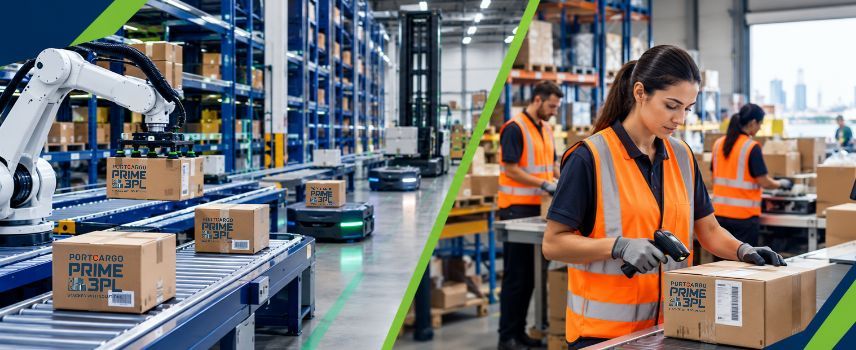
Choosing between automation of warehouse activities and d...
Discover our logistics, warehousing, fulfillment and supply chain solutions designed to support businesses of every size.

From a single parcel to full truckloads. we ensure your shipments reach their destination - safely and on time.

we get back to you within one business day.

Your goods are protected every step of the way.

Dedicated logistics specialists ready to help
Welcome to WhatsApp Chat and Share. Contact us if you need help.
Oprational Manager All Sales